SCHEDULE
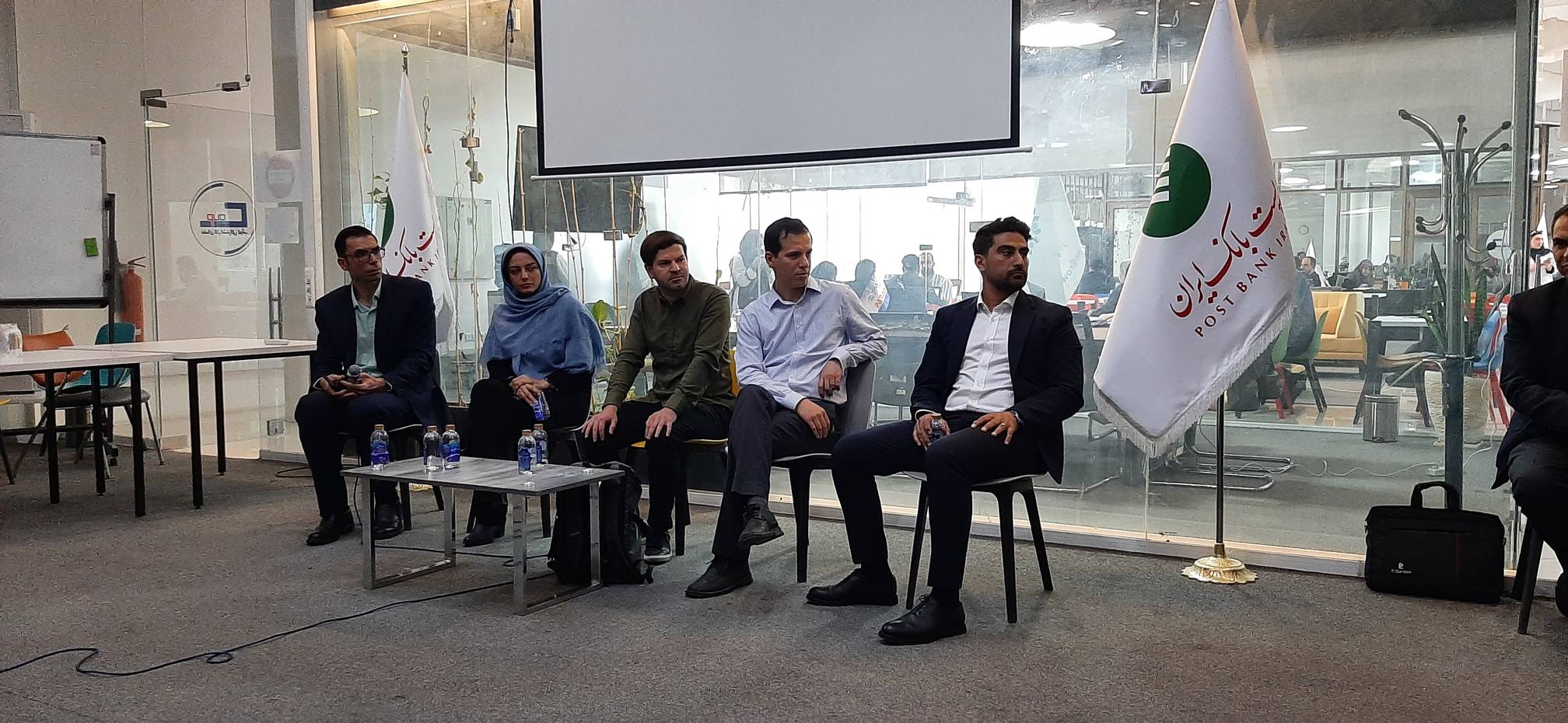
INOTEX 2025 Panel on Returning Talent: “Returning Experts; The Lost Human Capital in Technology Development”
At INOTEX 2025, a panel titled “Returning Experts; The Lost Human Capital in Technology Development” brought together three Iranian specialists who returned to the country.
According to the INOTEX 2025 News Desk, the panel featured:
Seyed Mir-Abou al-Hasan Vaezi (MIT & Stanford alumnus, professor at Sharif University of Technology),
Mohammad Shokoohi Yekta (Stanford graduate, AI specialist at Snapp),
Atefeh Alipour (researcher at the Biomedical Research Center, Japan, and faculty member in nanobiotechnology), and
Dr. Ali Hosseini (Deputy of the International Science & Technology Cooperation Center and Director of the I-CONNECT platform),
who discussed their motivations for returning and the challenges they faced.
Atefeh Alipour highlighted her experience living in Japan, noting advantages such as rule of law, prioritization of biotechnology, and work discipline, but explained that the main reason for her return was close family ties in the Middle East. She emphasized that in Iran, opportunities abound for those aiming to make an impact, take leadership roles, or launch startups, as these fields are still largely untapped.
She also noted managerial challenges: while senior management is generally aware of returning specialists, middle and operational levels can present obstacles. Organizational systems must be responsive and improved. Unlike abroad, where asserting one’s rights often requires prolonged effort, in Iran issues can be pursued more directly, though bureaucracy remains a challenge.
Alipour pointed out the lack of process discipline as a major barrier to industrial development. She warned that disregard for academic and entrepreneurial expertise allows unqualified individuals to occupy key positions, threatening sector growth. She advised students to experience living abroad to gain insight into advantages and challenges, then return with valuable knowledge.
Seyed Mir-Abou al-Hasan Vaezi cited family bonds as the primary reason for his return but criticized the system, noting that Iran does not fully utilize the expertise of returning professionals. Despite ideal living conditions abroad, he returned out of love for his homeland.
Vaezi stressed that effective contribution requires reciprocity from institutions—tools and mechanisms must be in place to enable specialists to serve effectively. He identified the lack of meritocracy as the major systemic challenge, with unqualified individuals occupying key positions in the Ministry of Science, creating inefficiency. He contrasted this with the private sector, where profit and loss logic enforces optimization.
He concluded with a warning: without establishing merit-based frameworks, meaningful progress will not occur, and vested interests often maintain the status quo to perpetuate systemic inefficiency.
Registration Continues for the Country’s Largest Innovation Gathering; INOTEX 2026 Awaits New Stars
INOTEX: A Major Turning Point in Iran’s Innovation Ecosystem
Strategic Shift at INOTEX 2026: When the “Audience” Becomes the Core of the Innovation Ecosystem
INOTEX2026 registration deadline is March 29, 2026